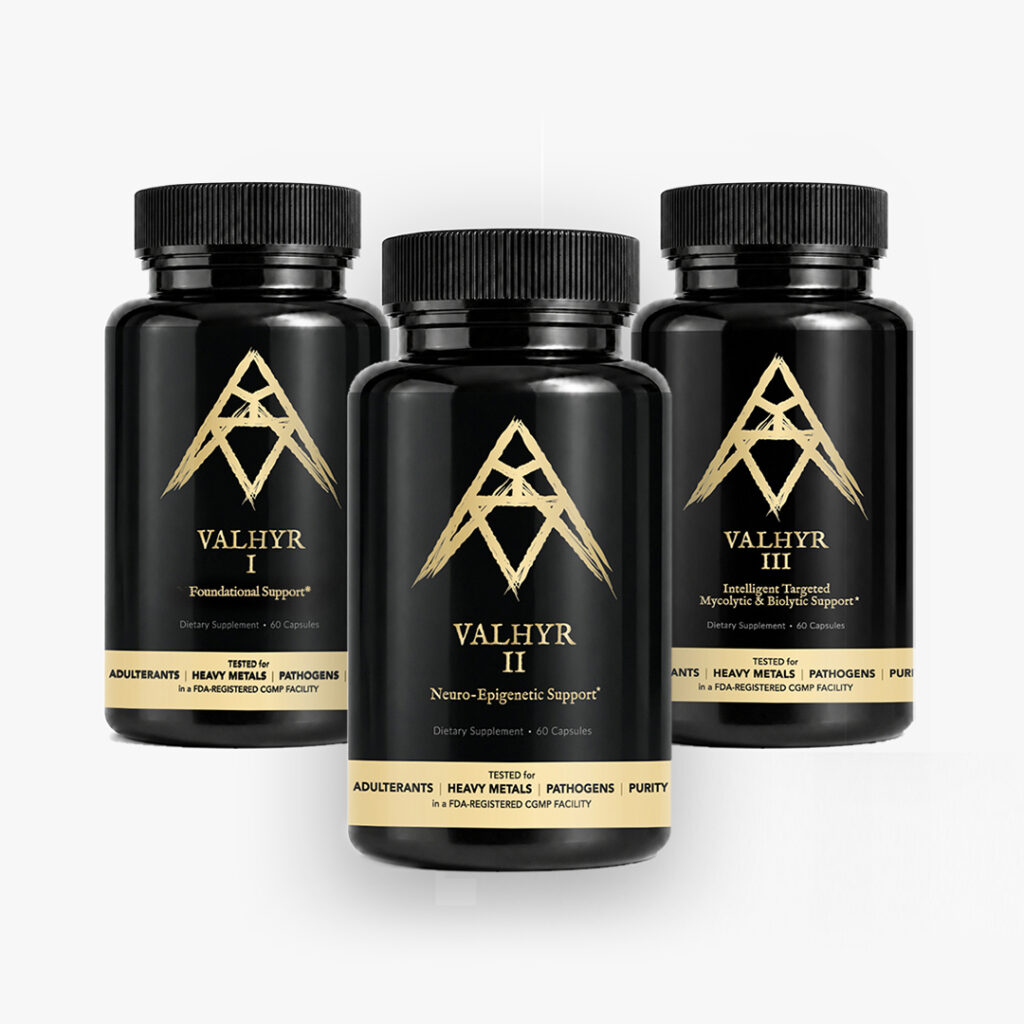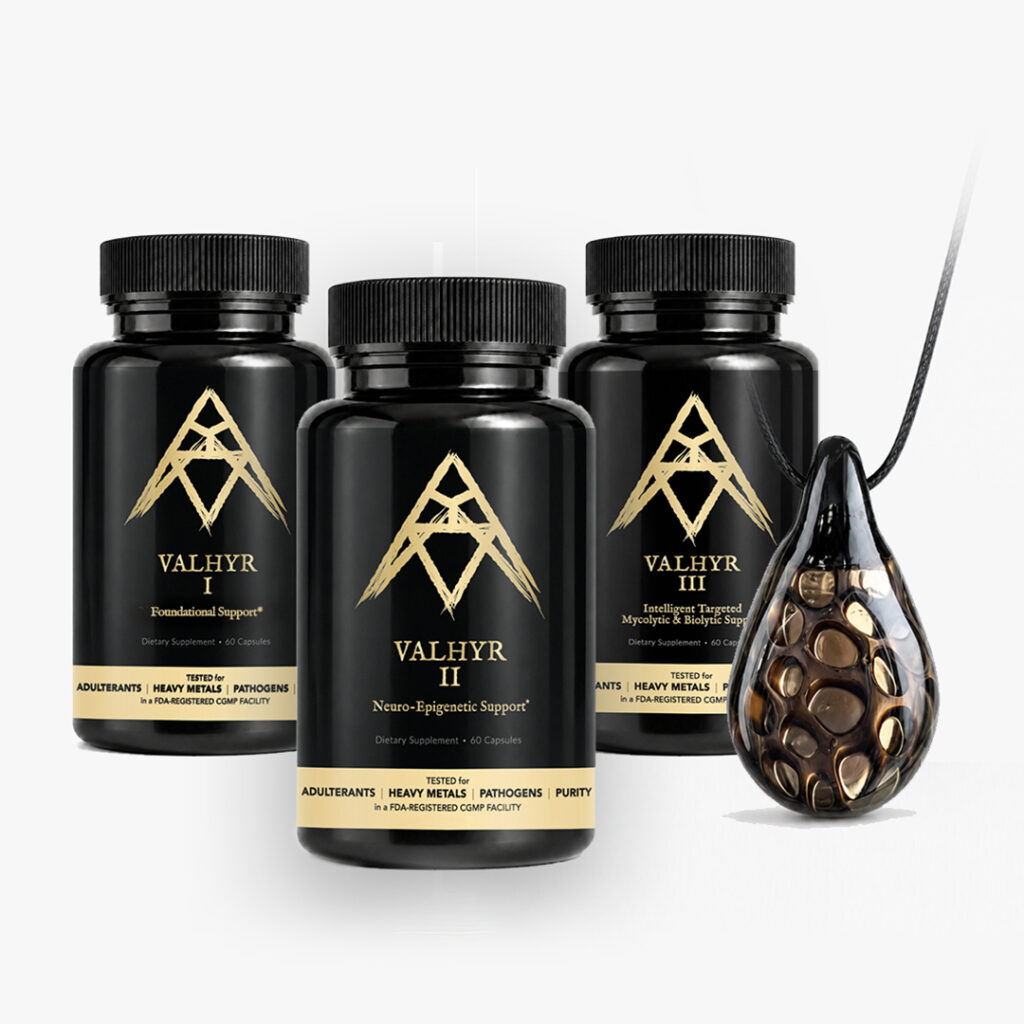
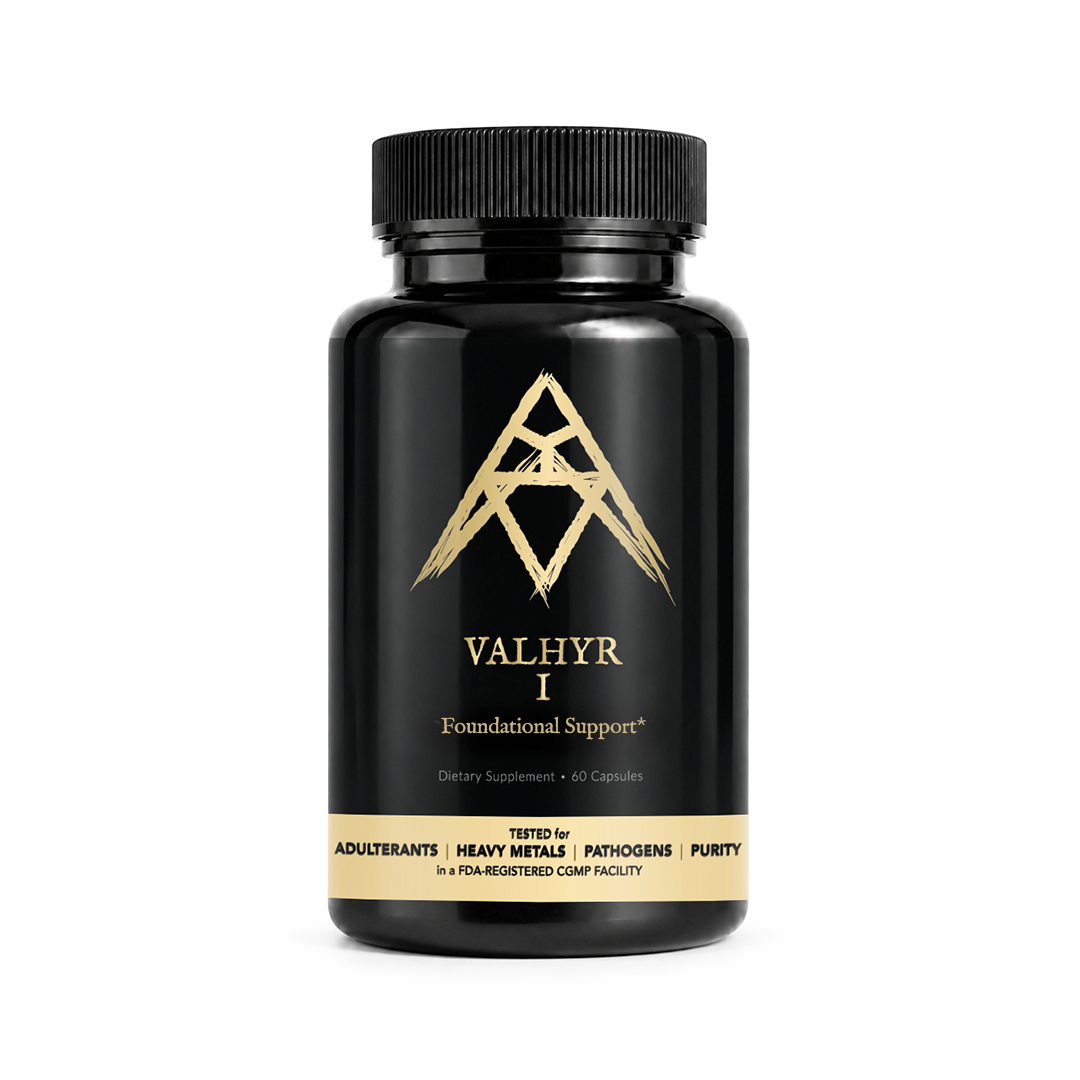
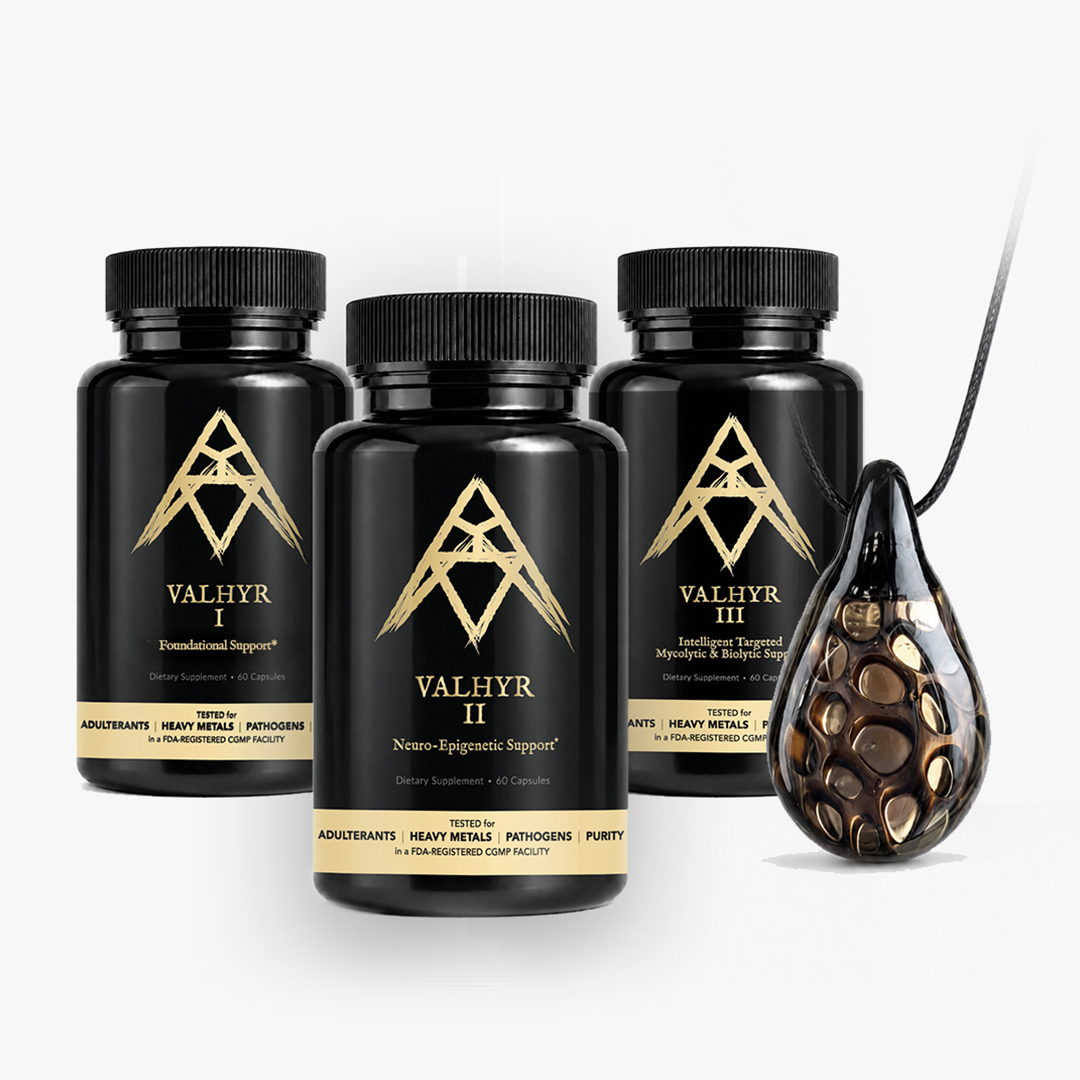
Six foundational compounds, each chosen with purpose, nothing added for show. NAC, taurine, glycine, PEA, L-theanine, and alpha-lipoic acid to support glutathione production, nervous system balance, and cellular resilience. Three capsules daily. 60 count, OU Kosher Certified.
$67.00
THE SIX COMPOUNDS YOUR BODY NEEDS
Your body makes most of these compounds. Sometimes it makes enough. Sometimes it doesn’t. Stress, aging, environmental exposures, hard training, and the modern diet all raise what your body needs while making it harder to keep up. Here’s what each one does in the body—and why supporting them matters.
NAC (N-Acetyl Cysteine)
Your body uses cysteine to build glutathione, the master antioxidant present in nearly every cell. Glutathione plays central roles in protecting cells from oxidative stress, in the body’s natural detoxification pathways, and in immune function. Cysteine is the limiting building block—the piece in shortest supply when your body makes glutathione. And under stress, environmental exposures, aging, and intense activity, your body uses glutathione faster than it can rebuild it. NAC is a stable, well-absorbed form of cysteine, which is why it has been studied for decades as a way to supply this key building block.
NAC also has a long history in respiratory medicine. Its sulfur groups break apart the disulfide bonds that give mucus its thick structure—the reason it has been used clinically as a mucolytic for over fifty years.
TAURINE
Your body synthesizes taurine from other sulfur-containing amino acids, but production is limited and demand can outpace it. Taurine is one of the most abundant free amino acids in the heart, muscles, brain, and eyes. It manages calcium inside cells—critical for muscle contraction and heart rhythm. It’s used to form bile salts for fat digestion. It helps cells regulate their water and mineral balance, has a calming influence on the nervous system, and plays a role in mitochondrial function and energy production.
Research shows taurine levels decline with age, and stress and intense training increase demand. Dietary taurine comes only from animal foods, and because it’s water-soluble, much of it is lost into cooking liquids. Plant-based diets provide essentially none.
GLYCINE
Glycine is the smallest amino acid and one of the most abundant in your body. It’s the primary amino acid in collagen—the structural protein of your connective tissues, tendons, and skin. Your body makes glycine, but research suggests total demand, especially for collagen turnover, may exceed what it produces. The traditional dietary sources—skin, bone broth, cartilage, and connective tissue—have largely disappeared from modern diets built around lean muscle meat.
Glycine is also one of the three building blocks of glutathione, and it acts as a calming signaling molecule in the spinal cord and brainstem, with a role in stress response and sleep.
PEA (Palmitoylethanolamide)
Your body makes PEA naturally. It’s a lipid mediator—a molecule your cells produce on demand to communicate and regulate their own activity, including mast cells, the immune cells that release inflammatory mediators. PEA also interacts with pathways involved in pain signaling and metabolic balance.
Your body’s production can vary, especially under chronic stress or high training load. Trace amounts occur in foods like egg yolks and peanuts, but far below the levels studied in research. Standard PEA is also poorly absorbed, which is why Valhyr I uses an ultramicronized form, milled into ultrafine particles.
L-THEANINE
Theanine is an amino acid your body does not make. It comes almost entirely from tea leaves. A cup of green tea contains roughly 25–50 mg, so reaching the amounts used in research would take many cups a day, along with the caffeine that comes with them. Theanine crosses into the brain, where human studies show it increases alpha-wave activity, the brainwave pattern of relaxed alertness. It’s also thought to influence GABA, dopamine, and serotonin, neurotransmitters involved in mood and calm.
ALPHA-LIPOIC ACID (ALA)
Your body makes alpha-lipoic acid in small amounts inside the mitochondria—the power plants of your cells. It’s a required helper for two key enzymes that turn food into energy. It’s also a potent antioxidant: its active form regenerates other antioxidants, including vitamins C and E, and recycles glutathione back to its active form.
Production is modest and tied to mitochondrial health, which declines with age and metabolic stress. Foods like spinach, broccoli, and organ meats contain only tiny amounts, bound up in proteins.
WHY THIS MATTERS
Each of these compounds is essential. Your body makes most of them, but life interferes: stress, toxins, aging, intense training, and a modern diet stripped of the foods that once supplied them all raise demand while making supply harder to maintain. Supporting these six compounds isn’t about replacing what your body should make…it’s about giving your body the building blocks it needs to do what it’s designed to do.
Made in an FDA-registered cGMP facility and third-party tested for identity, adulterants, heavy metals, pathogens, purity, and potency.
Suggested Use: Take three (3) capsules daily, or as directed by your healthcare practitioner.
Warnings: Consult your healthcare practitioner before use if you are pregnant, nursing, taking medication, or have a medical condition. Keep out of reach of children. Do not exceed the suggested serving. Store in a cool, dry place.
* These statements have not been evaluated by the Food and Drug Administration. This product is not intended to diagnose, treat, cure, or prevent any disease.

Valhyr products will be available soon! Enter your email to be notified.

YOUR 1ST ORDER